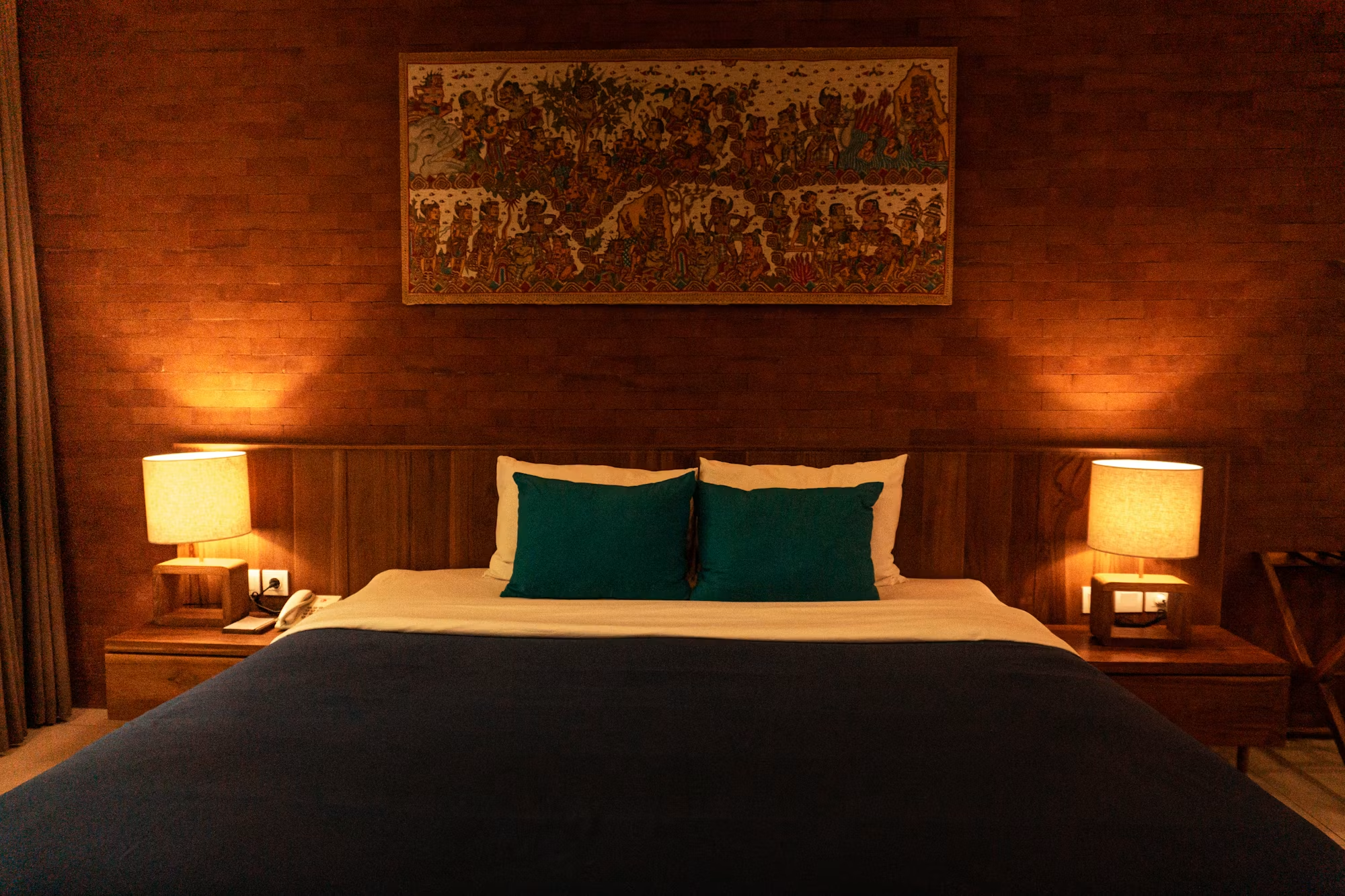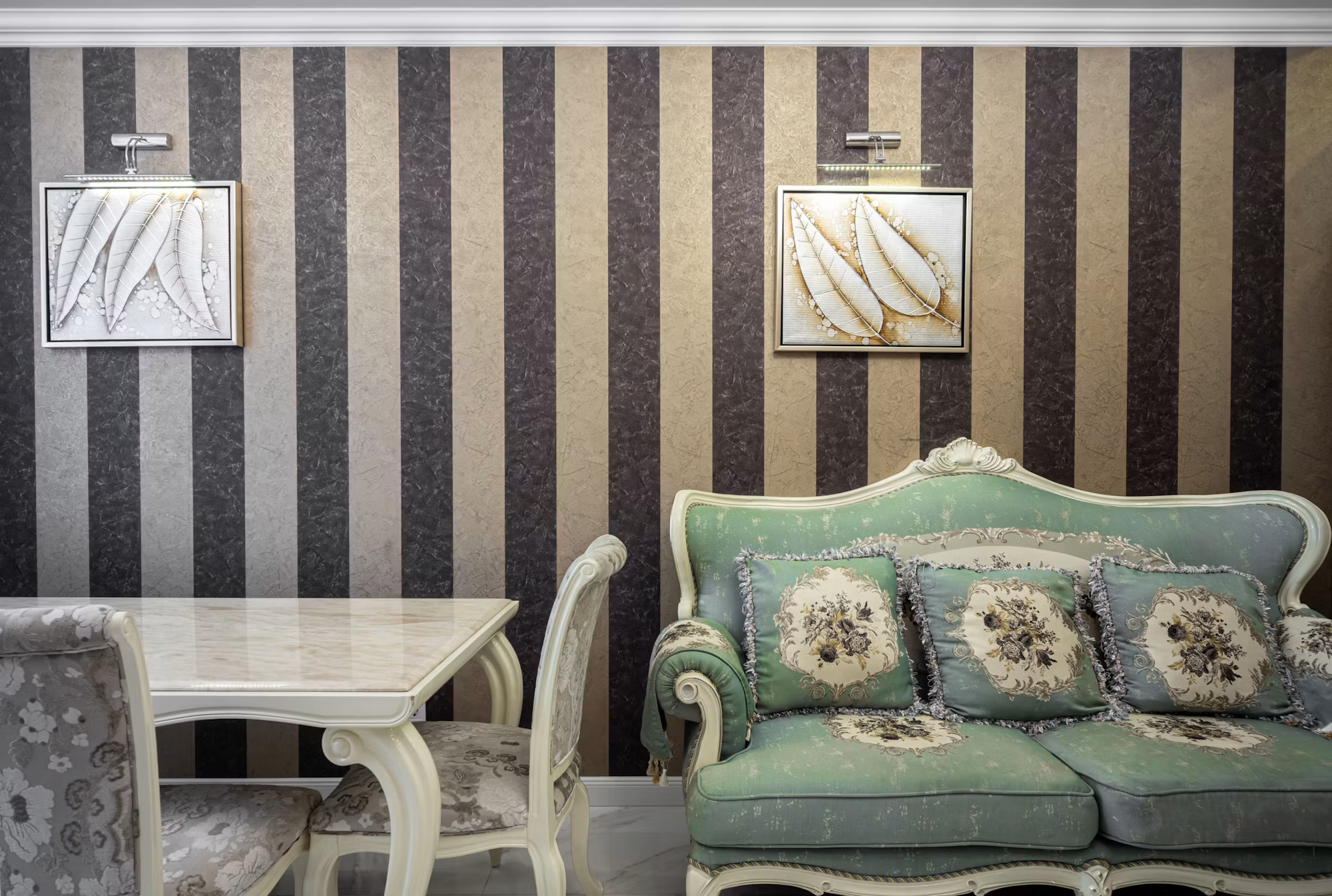
Creating a home that reflects your personal style is an art form that goes beyond mere decoration. It involves thoughtful curation, where every piece of furniture, decor, and color contributes to a cohesive atmosphere. Understanding the process of curating your home allows you to express your individuality while ensuring functionality and comfort. In this article, we will delve into key principles for curating your home, incorporating various design elements and styles that resonate with your personality.
Understanding Your Personal Style
The first step in curating your home is to identify your personal style. This often involves reflecting on your tastes, preferences, and lifestyle. Consider what makes you feel most at home—are you drawn to minimalist designs, or do you prefer the warmth of rustic aesthetics? Collecting images from magazines, online platforms, and social media can help you visualize the styles that resonate with you.
Creating a mood board is an excellent way to consolidate your ideas. Include images of interiors that inspire you, as well as colors, textures, and patterns that catch your eye. This visual representation will serve as a guide when selecting pieces for your home, ensuring that you stay true to your vision.
Embracing Versatility
Curating your home is not about adhering to a single design style; rather, it is about embracing versatility. Combining elements from different styles can create a rich and dynamic living space. For instance, blending modern furniture with vintage accents can add depth and character to your home.
Consider the transitional style, which merges traditional and contemporary design elements. This approach allows you to incorporate heirloom pieces alongside sleek, modern furnishings, creating a balanced and inviting environment. When selecting items, look for versatility—pieces that can adapt to various settings and work harmoniously with other elements in your home.
Focusing on Functionality
While aesthetics are important, functionality should be at the forefront of your curation process. Every piece of furniture and decor should serve a purpose, contributing to the overall comfort and usability of your space. Assess how you intend to use each room—do you need a cozy reading nook, a spacious dining area, or a multifunctional workspace?
For example, in a living room, consider furniture that encourages conversation and relaxation. Sofas and chairs should be arranged to facilitate interaction, while coffee tables can double as storage for books and games. In the kitchen, opt for functional yet stylish elements, like open shelving for easy access to dishes, paired with decorative storage jars that enhance the aesthetic.
Creating a Cohesive Color Palette
Color plays a pivotal role in the overall atmosphere of your home. A cohesive color palette can tie different rooms and styles together, creating a seamless flow throughout the space. Start by selecting a few key colors that resonate with your personal style and mood. These colors can be used for walls, furniture, and decor.
Neutral tones often serve as a versatile base, allowing you to layer in bolder hues through accessories like cushions, artwork, and rugs. For instance, if you prefer a calming atmosphere, consider soft blues and greens paired with warm neutrals. Conversely, if you seek vibrancy, integrating splashes of bright colors can invigorate your space.
Incorporating Textures
Texture adds depth and interest to your home, making it feel inviting and layered. Incorporate a variety of textures through fabrics, materials, and finishes. For instance, pairing smooth leather with plush textiles can create a pleasing contrast, while mixing wood, metal, and glass adds dimension to your decor.
In a living room, consider layering different fabrics—soft throw blankets, textured cushions, and a plush area rug—to create a cozy atmosphere. In the dining area, combine natural wood table settings with sleek metal accents for a contemporary yet warm feel. Textures can also be introduced through wall treatments, such as textured wallpaper or a feature wall made of reclaimed wood.
Selecting Key Furniture Pieces
When curating your home, focus on selecting a few key furniture pieces that anchor the space. These items should reflect your personal style while also being functional and durable. Quality over quantity is essential; investing in timeless, well-crafted furniture will ensure that your pieces stand the test of time.
Consider iconic designs, such as a mid-century modern chair or a classic wooden dining table, that can serve as statement pieces in your home. These key items can be complemented with more affordable accessories, allowing you to maintain a balance between investment and style.
Personalizing with Art and Decor
Art and decor are essential for infusing your personality into your space. Select pieces that resonate with you emotionally, whether it be paintings, photographs, or sculptures. These items should tell a story, reflecting your journey, experiences, and interests.
Incorporate artwork in various formats—large canvases can serve as focal points, while smaller pieces can create a gallery wall. Additionally, consider decorative items that showcase your hobbies or travels, such as books, collectibles, or handcrafted items. These personal touches will make your home feel uniquely yours.
Balancing Space and Layout
The layout of your home significantly impacts its functionality and flow. Pay attention to the arrangement of furniture and decor, ensuring that spaces feel open and inviting. Consider how people move through each room and arrange furniture to facilitate interaction and comfort.
In smaller spaces, opt for furniture that promotes a sense of openness, such as transparent coffee tables or multi-functional pieces. In larger rooms, create distinct zones—such as a reading nook or entertainment area—to maximize the use of space while maintaining an inviting atmosphere.
Adapting with Seasons
Curating your home is an ongoing process, allowing for adaptation with changing seasons and trends. Embrace the idea of seasonal decor, swapping out textiles, colors, and accessories to refresh your space. This not only keeps your home feeling current but also allows you to express your creativity.
For instance, during the colder months, incorporate warm textiles, rich colors, and cozy accents to create a snug environment. In contrast, light fabrics and bright colors can invigorate your space during spring and summer. These seasonal changes can enhance your home’s atmosphere, keeping it vibrant and welcoming year-round.
Conclusion
Curating your home is an enriching process that invites creativity and self-expression. By understanding your personal style, embracing versatility, and focusing on functionality, you can create a living space that feels uniquely yours. Remember to pay attention to color, texture, and layout, ensuring that every piece contributes to a cohesive and inviting atmosphere. As you adapt with the seasons, your home will remain a true reflection of your personality and lifestyle, providing comfort and joy for years to come.